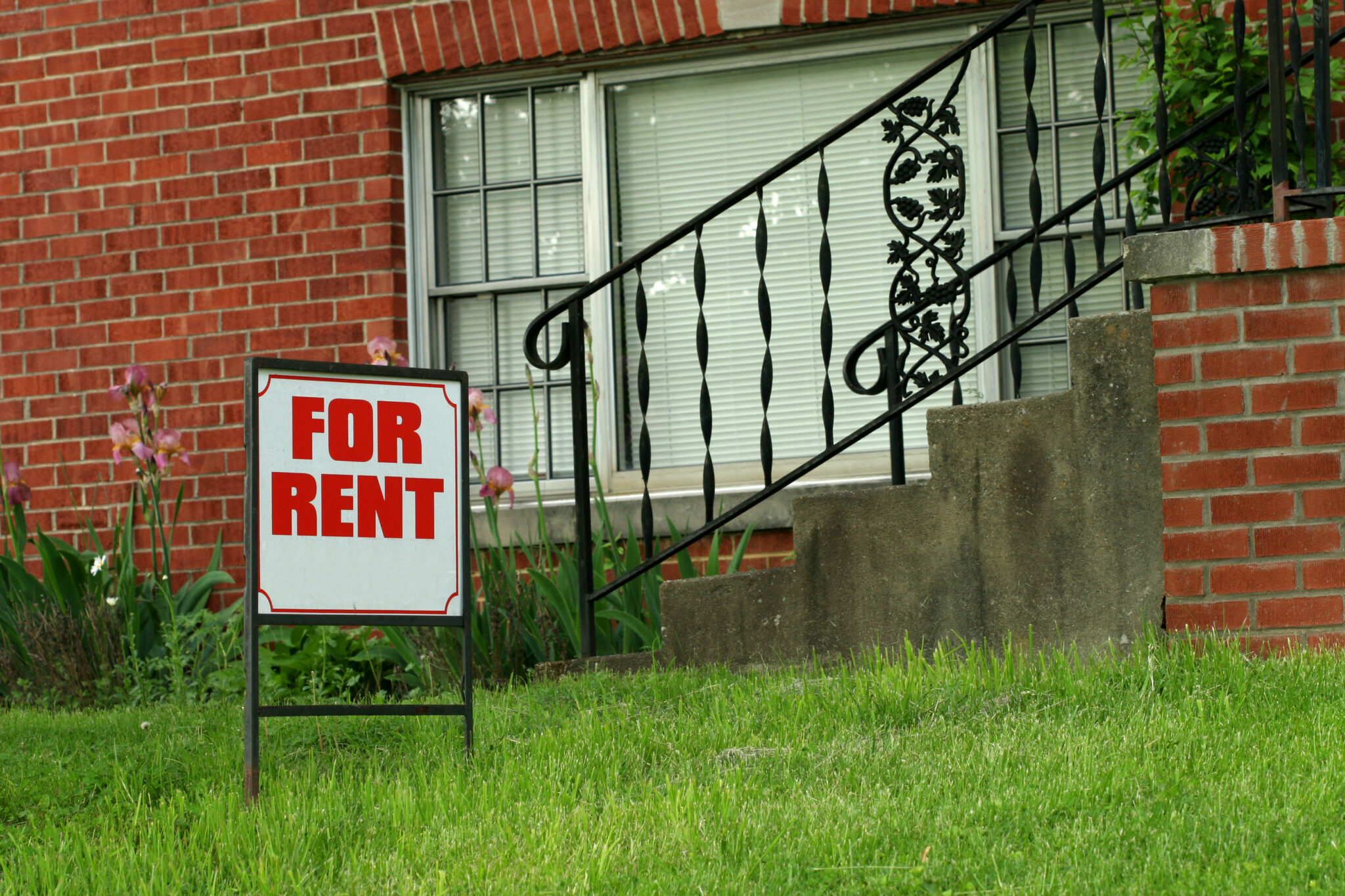
A Greystar-managed apartment complex in McLean told prospective tenants it was "not set up" to accept housing vouchers, according to civil rights complaints filed with a Virginia state civil rights agency.
The allegation is part of a broader investigation by Housing Rights Initiative, a nonprofit watchdog group, that documented 114 instances of Greystar properties refusing voucher holders across six states. Virginia is one of those states, and the McLean property is among those cited.
Virginia law prohibits landlords from rejecting tenants solely because they pay rent with Section 8 or similar assistance, a protection known as source-of-income discrimination law.
The specific name of the McLean apartment complex has not been publicly identified in available reporting. Neither Dranesville District Supervisor John Foust's office nor the Fairfax County Office of Human Rights and Equity Programs has publicly commented on the complaint.
How the investigation worked
Investigators used undercover "testers" who posed as prospective tenants and called Greystar properties. Aaron Carr, executive director of Housing Rights Initiative, told the Los Angeles Times on July 15 that testers asked routine questions about utilities and rent before asking whether the property accepted rental assistance.
"Time and time again, the answer was no," Carr said.
Carr called Greystar "the worst offender we've ever come across," telling the Times the group had never uncovered this many violations against a single company. The previous high was roughly 10.
Who is Greystar
Greystar, headquartered in Charleston, South Carolina, is the nation's largest corporate landlord. The company manages what it reports as $350 billion in real estate assets across 260 markets worldwide. In 2025, Greystar settled an unrelated antitrust lawsuit accusing it of colluding to keep rents artificially high, paying a $7 million settlement.
In a statement reported July 15, the company said it remains committed to fair housing practices and provides training, expecting team members to comply with all applicable laws.
Why it matters in McLean
Northern Virginia's housing market is among the tightest in the country. The median sold price in the region hit $810,000 in June 2026, according to the Northern Virginia Association of Realtors, with just 1.98 months of supply. For voucher holders, who typically pay about 30% of their adjusted income while a government agency covers the rest, being turned away from a large apartment complex narrows already limited options in a market with fewer than two months of inventory.
Brian Corman, a partner at Cohen Milstein Sellers & Toll, the law firm representing Housing Rights Initiative, told NJ.com in July that the complaints seek company-wide practice changes. "These violations are not technicalities," Corman said. "They are denying housing to individuals and families intent on using vouchers."
What happens next
The Virginia complaint is pending administrative review. No hearing date or enforcement deadline has been announced. The complaints seek three outcomes: that Greystar stop the alleged discrimination, that enforcement mechanisms ensure continued compliance, and that the company report how many voucher holders apply and are accepted at its properties.