A long-delayed Virginia groundwater study provided to reporters late Thursday warns that the state's eastern aquifer is running low and that no data center using evaporative cooling could find a reliable water supply in the region. The findings add a new layer to the debate over data center growth that McLean and Great Falls residents have watched reshape the Dulles corridor.
The report, produced by the Department of Environmental Quality and released by Gov. Abigail Spanberger's (D) office, found that groundwater in Virginia's eastern coastal plain "is constrained, and current projections indicate declining availability in the near future."
An important distinction for Dranesville District residents: the study focuses on the eastern coastal plain, including the Northern Neck and Hampton Roads. Most Northern Virginia data centers draw from surface water systems, not groundwater. But the report's legislative recommendations would apply statewide, and the study noted that no comprehensive public data exists on how much groundwater data centers actually use anywhere in Virginia.
What the study recommends
The report urges the General Assembly to strengthen regulators' authority to reject industrial water withdrawal permits, require applicants seeking large groundwater volumes to first examine surface water or reuse alternatives, mandate better local water-use planning and increase funding for water management staff and equipment.
809 data centers, operating or planned
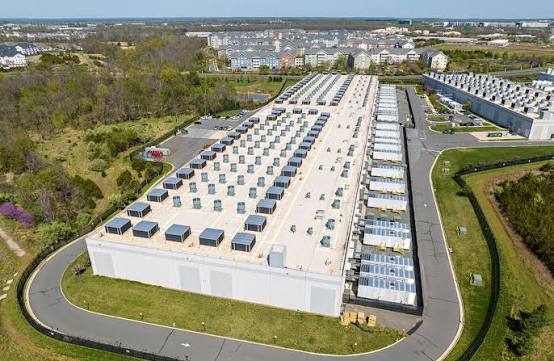
According to Cleanview, a company that tracks data center and power infrastructure development cited in the report, 371 data centers operate across Virginia and another 438 are planned. As of 2023, Northern Virginia held roughly 13% of global data center capacity, with nearly 5,000 megawatts concentrated in the Dulles corridor in Loudoun County, which borders McLean.
The report concluded that "under current conditions, it appears unlikely that a data center with evaporative cooling technology (or any comparable water user) would find a reliable, sufficient groundwater supply anywhere" in the eastern coastal plain.
Why it took six months
The study was due in January 2026. It wasn't released until the Associated Press filed a public records request and DEQ refused to hand it over. After the AP sought comment on that refusal, Spanberger's office provided the report late Thursday.
Jack Bledsoe, a spokesperson for Spanberger, attributed the delay to "a backlog of outstanding items from the previous governor's administration." He said Spanberger is committed to working with the General Assembly to evaluate the findings and strengthen groundwater management policies.
State Sen. Richard Stuart (R), who represents the Northern Neck and authored the bill requiring the study, said he had been raising groundwater concerns for at least 15 years. Local governments in his district are increasingly being told by regulators to shift to surface water sources.
"Folks worry about the lack of the ability for growth. A lot of them are talking about industrial and commercial. I'm worried about our citizens having drinking water, and I'm worried about our seafood industry because they need clean water," Stuart said Friday, after reviewing the report.
New transparency law takes effect in January
A separate state law, SB553, will require water providers to report how much water they supply to data centers starting in January 2027. That reporting requirement could fill the data gap the study identified.
The General Assembly's next regular session begins in January 2027, when legislators could act on the report's recommendations. The full 151-page study is available on the DEQ website.