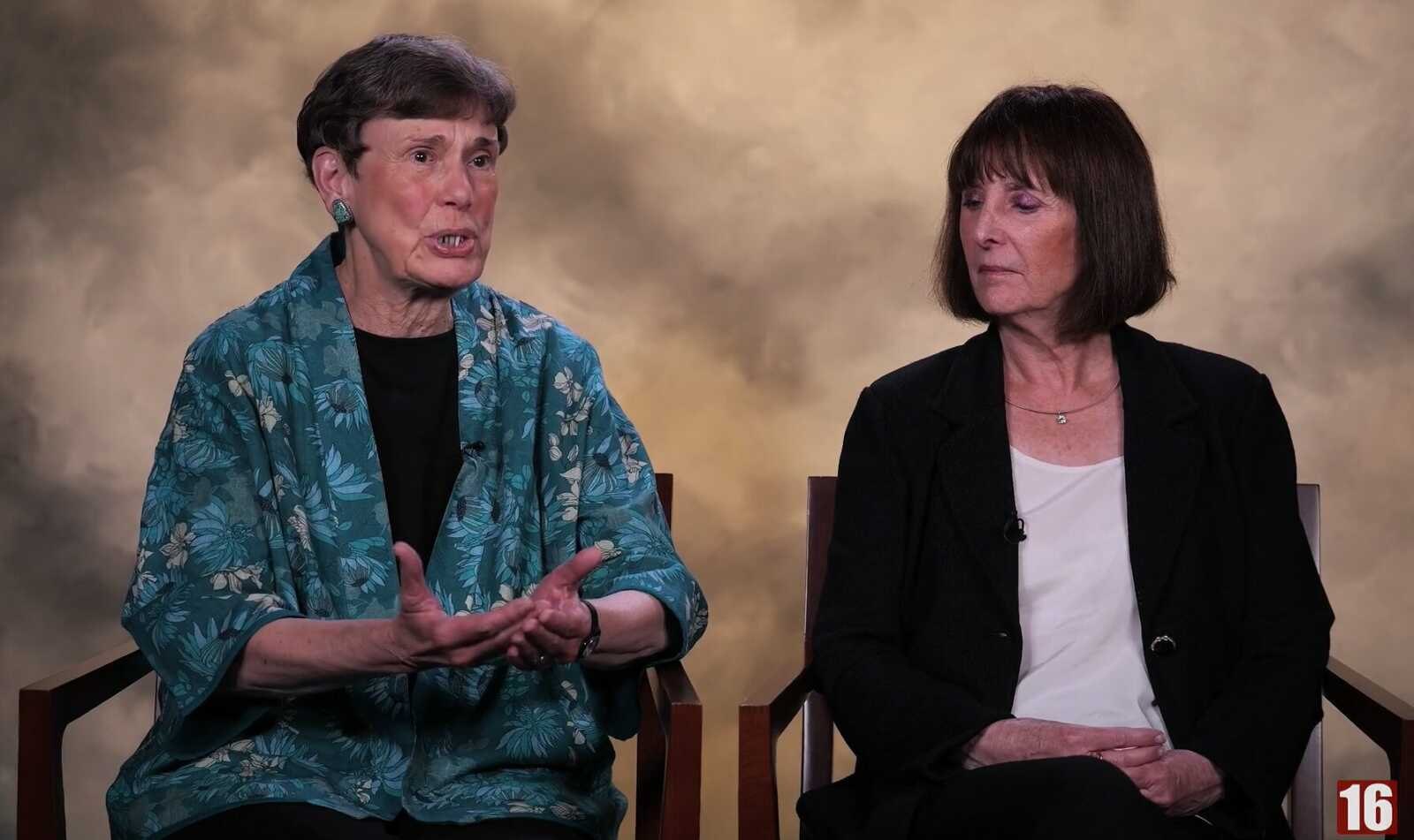
A 42-minute documentary chronicling Tysons' transformation from a dirt-road crossroads to the D.C. region's second-largest employment center premiered Wednesday at LOOK Dine-In Cinemas at The Boro.
The film, titled "Tysons 150," features interviews with the supervisors, planners, and developers who shaped the area McLean residents live beside. It screened at 7 p.m. following a 6 p.m. happy hour, free and open to the public.
Produced by Fairfax County's Channel 16 as part of the "Providence Perspectives" oral history series, the documentary was initiated after the Tysons Community Alliance approached Providence District Supervisor Dalia Palchik's office about adding a Tysons installment to the series, according to FFXnow.
The film traces Tysons back to 1852, when Maryland native William Tyson acquired land at the crossroads of what are now Route 7 and Route 123. The area, previously called Peach Grove for its local peach farms, took on Tyson's name after he opened a general store and served as postmaster from 1858 to 1864.
"His name was sort of given to that area," former Providence District Supervisor Kate Hanley says in the film. "We've all seen over the years of the pictures going out Route 7 of the fruit stands and the stores on the corner, and there was a meat locker that people talk about, and all kinds of small businesses. And we hear about the peach ice cream that people drove to Tysons to get."
The documentary moves through the Capital Beltway's emergence, Fairfax County's post-World War II population boom, and the openings of Tysons Corner Center and Tysons Galleria. A 1991 redistricting shifted the north-central part of Tysons from the Dranesville District to Providence.
The 2005 task force behind the plan
The film gives significant attention to the 2005 Tysons Land Use Task Force, created under then-Providence District Supervisor Linda Smyth and then-Board of Supervisors Chairman Gerry Connolly. That group of citizens, business leaders and county staff produced the Tysons Comprehensive Plan, adopted by the Board of Supervisors in 2010. The plan called for a walkable, transit-oriented urban center and set a goal of 100,000 residents and 200,000 jobs by 2050.
Hillary Zahm, vice president of development at Tysons Corner Center owner Macerich, said in the documentary that the task force was critical because it brought the private sector, public sector and citizens together to establish a unified vision.
Smyth, reflecting on the long-term nature of the project, said the more people who have a stake in Tysons, the better off it will be through good times and bad. She called the redevelopment an evolution driven by people.
Where Tysons stands
The numbers show progress. That said, the 2050 targets remain distant. Tysons' population has grown from 17,000 in 2010 to roughly 32,000 as of 2025, according to TCA data. The area employs about 92,000 workers, making it the D.C. region's second-largest employment hub outside the District itself.
But challenges persist. The office vacancy rate has held at 20% for five consecutive quarters through early 2026, according to TCA market data reported by FFXnow, and streets remain difficult for pedestrians and cyclists. Developers are increasingly converting older office properties to housing.
TCA Board Chair David Schneider, who was born and raised in Fairfax County, said in the documentary that having residents in Tysons makes it a round-the-clock city rather than a 9-to-5 destination.
.png)