A personalized mRNA treatment cut the risk of high-risk melanoma returning by 42% in a first-of-its-kind Phase 3 trial.
Inova Schar Cancer at Fairfax Hospital was the only site in Virginia and the Washington, D.C., region to participate in the study, called INTerpath-001. The trial tested a treatment called intismeran autogene alongside the immunotherapy Keytruda in 1,137 patients whose melanoma had been completely removed through surgery. Results were presented at the 2026 European Society for Medical Oncology (ESMO) Congress in Madrid, according to Inova's newsroom.
For McLean and Great Falls residents, the trial puts a familiar institution at the center of a potential shift in cancer care. Inova was among the trial's leading-enrolling sites, with Dr. Sekwon Jang serving as principal investigator. Jang is Siewick Director of Cancer Research and co-director of the Melanoma and Skin Cancer Center at Inova Schar Cancer.
"This has the potential to be a major breakthrough in melanoma treatment and also cancer immunotherapy in general that will open the door to greater outcomes for patients," Jang told CNBC.
What the treatment does
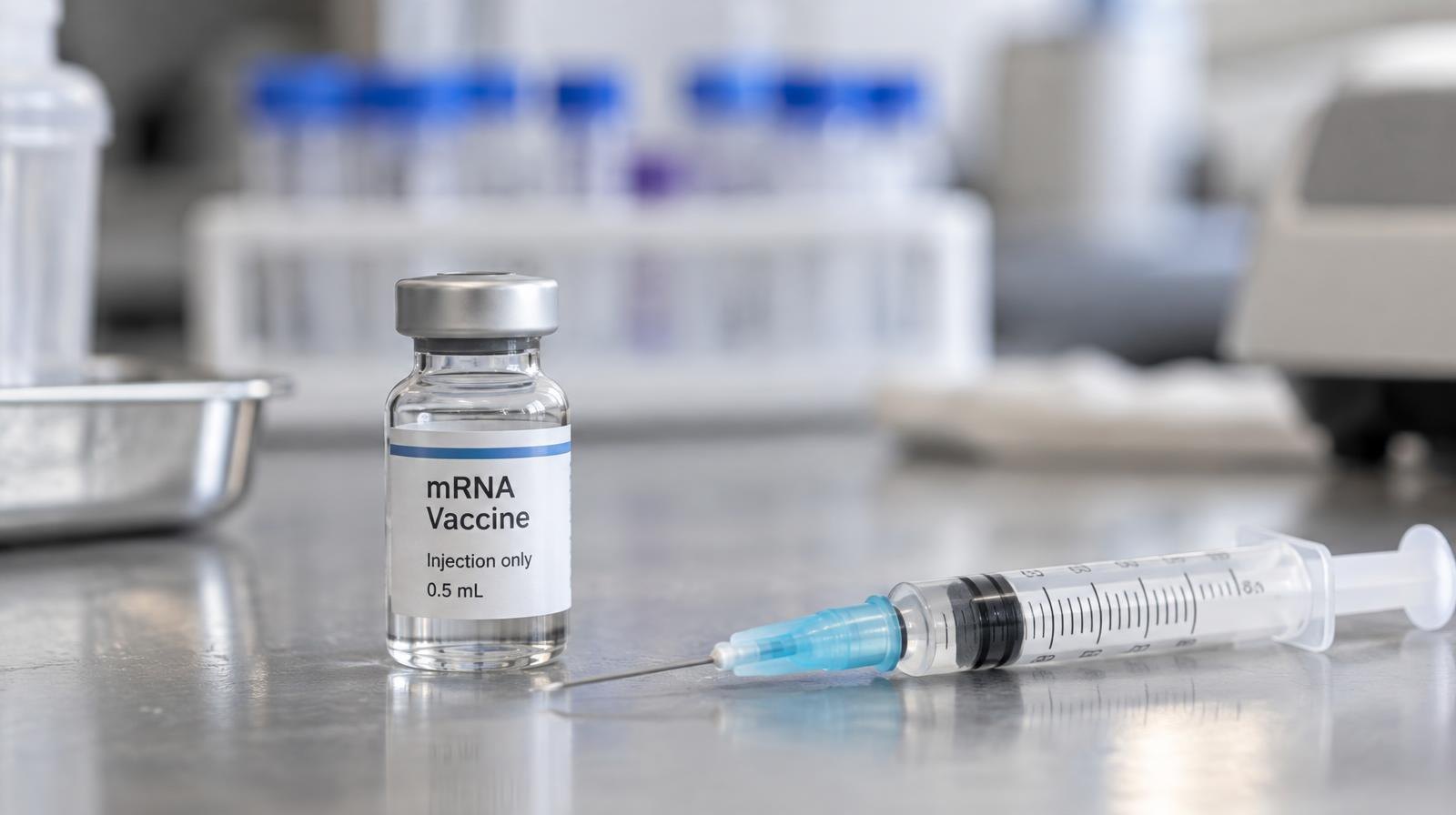
Intismeran is built for one patient at a time. After surgeons remove a melanoma, scientists sequence the tumor's DNA to pinpoint mutations specific to that person's cancer. An mRNA formula is then manufactured to train the patient's immune system to hunt cells carrying those mutations. Keytruda, made by Merck, works alongside it by removing a molecular brake that can prevent immune cells from attacking cancer.
The combination acts as a therapeutic vaccine, given after surgery to help keep melanoma from coming back. According to Inova, the trial marks the first time a cancer treatment tailored to an individual patient's tumor has succeeded in a Phase 3 study. It is also the first mRNA-based cancer treatment to reach this milestone.
Key findings
As detailed by CancerNetwork, the trial produced several significant results:
- Adding intismeran to Keytruda reduced the risk of recurrence or death by 42%.
- The combination reduced the risk of cancer spreading to distant parts of the body or causing death by 38%.
- At two years, 82.2% of patients receiving the combination remained cancer-free, compared with 70% receiving Keytruda alone.
- No new safety concerns were identified.
Researchers cannot yet say whether the combination helps patients live longer. Overall survival data remain immature, and the study is ongoing.
Regulatory path and ongoing research
Intismeran is investigational and is not approved by the U.S. Food and Drug Administration (FDA). Merck and Moderna, which developed the treatment together, plan to submit the Phase 3 findings to the FDA and other health authorities. The results have been accepted for publication in The New England Journal of Medicine.
CNBC reported that six melanoma specialists called the findings a meaningful step forward, saying the combination could one day become standard treatment for surgical melanoma patients who have not yet received immunotherapy.
Inova is already participating in further research evaluating intismeran with Keytruda for advanced melanoma that cannot be removed through surgery. Researchers are also studying the personalized mRNA approach in lung, kidney and bladder cancers.